


When Every Second Counts: Why Multilingual Emergency Alerts and Interpretation Services Are a Lifesaving Necessity.
Imagine you're in a foreign country. Suddenly, your phone vibrates loudly, and an urgent alert flashes across the screen—but it's in a language you can’t understand.
This is the reality for over 25 million people in the U.S. with Limited English Proficiency (LEP), many of whom are left in the dark during life-threatening emergencies. A delay in implementing a key regulation could be putting their lives at risk: the mandatory translation of Wireless Emergency Alerts (WEA) into multiple languages.
What Are WEA Alerts—and Why Do They Matter?
Wireless Emergency Alerts are urgent notifications sent directly to mobile phones by federal, state, or local agencies. These alerts warn of imminent dangers like hurricanes, wildfires, earthquakes, child abductions (AMBER alerts), or terrorist threats.
What the study measured — and why it matters
Reducing Disparities in Emergency Department Outcomes for Individuals with Limited English Proficiency: The Nurse Work Environment linked three large data sets: the RN4CAST‑US nurse survey, the American Hospital Association Annual Survey and New Jersey’s statewide ED database.
WEAs:
- Appear on screen with a distinct sound and vibration—even if the phone is on silent
- Do not require apps or subscriptions
- Are the fastest and most direct way to inform the public of critical risks
Yet in a country as multilingual as the U.S., most of these alerts are still delivered only in English—and occasionally Spanish. That’s not enough.

A Regulation Delayed Is a Right Denied
In January 2025, the Federal Communications Commission (FCC) unanimously approved a rule requiring wireless carriers to translate WEA messages into 13 additional languages, including American Sign Language (ASL). But this rule has not taken effect because it hasn’t been published in the Federal Register—an essential step to make it enforceable.
Why the delay? It appears to be tied to a “regulatory freeze” executive order signed earlier that year, requiring additional clearance before publishing new rules. Until the rule is formalized, multilingual alerts remain voluntary, and most providers are opting not to implement them.
Florida and Multilingual States at Greater Risk
Florida, California, Texas, and New York are home to millions of LEP individuals. In emergencies, every second matters. A message that cannot be understood is as dangerous as one never received.
As a Florida-based Language Solutions Integrator, Elite Language Services believes language access isn’t optional—it’s an operational, ethical, and humanitarian necessity.

It’s Not Just About Alerts—It’s About Readiness
Multilingual alerts are only one piece of the puzzle. True emergency preparedness includes real-time access to professional interpreters who can explain, calm, and guide LEP individuals when tensions are high.
Here's what institutions can do today:
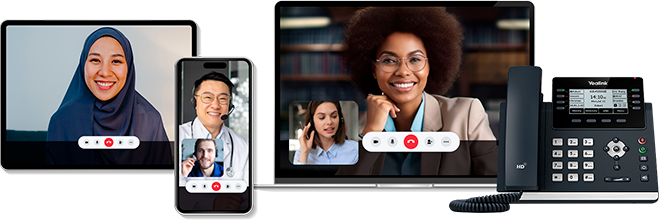
Implement an Interpreter Management System (IMS) to request certified interpreters via video (VRI) or phone (OPI) in seconds
Ensure compliance with Title VI, ADA, and HIPAA standards
Train staff in emergency communication protocols for diverse communities
Partner with a Language Solutions Integrator (LSI) like Elite for full-spectrum support
Certified Interpreters Save Lives
In a crisis, apps and tech alone aren’t enough. Certified interpreters provide more than language—they offer cultural clarity, emotional reassurance, and risk reduction in high-stress situations.
Our interpreters are trained in:
• Emergency protocols
• Crisis communication
• Trauma-sensitive interactions
• Over 300 languages, including ASL
Is Your Organization Prepared to Communicate in More Than One Language During a Crisis?
At Elite Language Services, we specialize in building multilingual emergency response systems tailored to health networks, local governments, first responders, and public agencies. We offer:
• Rapid remote interpretation in 300+ languages
• Certified medical and emergency-trained interpreters
• 24/7 on-demand access
• Customized language access plans for institutions
Don't wait for the next disaster to uncover a gap in communication.
Let’s build a safer, more inclusive emergency response system—together.
Contact Elite Language Services today to create a multilingual response plan that protects every member of your community—no matter the language they speak.