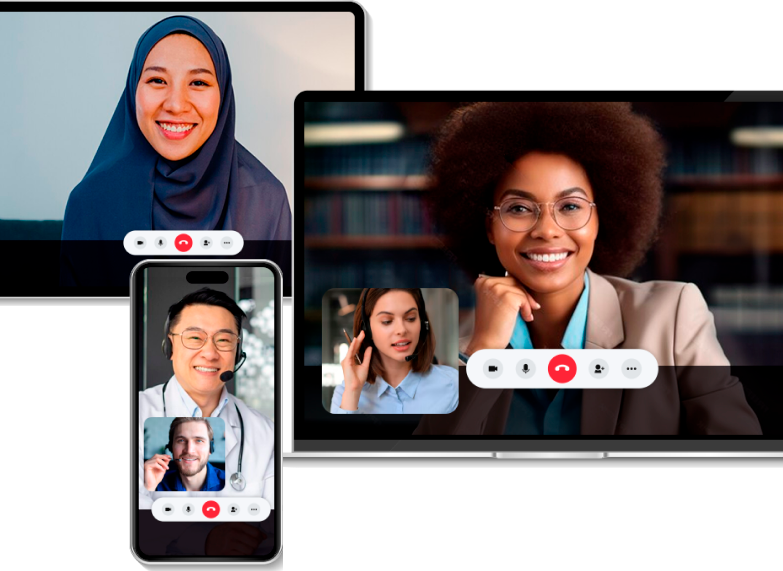



Ethics in Interpretation: Upholding Integrity in Every Conversation
As the CEO of Elite Language Services, I recognize that our role in facilitating communication goes far beyond simply translating words.
At the core of our services lies a commitment to ethical practices, ensuring that interpretation not only meets the highest standards of professionalism but also serves as a powerful tool for trust, understanding, and social responsibility. In our fast-evolving world, where language barriers can shape important decisions in business, law, medicine, and politics, ethical interpretation is more vital than ever.
Willie was just 18 years old—healthy, athletic, a baseball star with a bright future. But on the night of January 22, 1980, everything changed. While out with a friend, he began experiencing a severe headache, which he attributed to the smell of gasoline in the car. His condition deteriorated rapidly: he lost his balance, his vision became blurred, and he eventually collapsed.
The Importance of Ethics in Interpretation
Interpretation is not just about converting words from one language to another. It’s about conveying meaning, intention, tone, and context, all of which require sensitivity, integrity, and professionalism. Whether the setting is a courtroom, a medical consultation, a business meeting, or a diplomatic negotiation, the stakes are often high, and the consequences of miscommunication can be severe.
Interpretation impacts lives. A mistranslation in a legal setting could affect a person’s freedom, a misunderstanding in healthcare could jeopardize someone's health, and a failed diplomatic negotiation could have far-reaching political consequences. This immense responsibility underscores why ethical interpretation is paramount.
As interpreters serve as impartial mediators, they must maintain objectivity and avoid introducing personal biases or influences into the communication process. Ethics is about ensuring that every party involved is accurately understood, and that each person is given an equal and fair opportunity to communicate. This creates an environment of trust, transparency, and respect, which is the foundation of any successful exchange.

Key Ethical Principles in Interpretation
At Elite Language Services, we hold ourselves to the highest ethical standards, and we are committed to guiding our interpreters with a clear code of ethics that governs our work. Below are some of the core ethical principles we adhere to:
1. CONFIDENTIALITY
Confidentiality is one of the cornerstones of ethical interpretation. Interpreters must never disclose any information learned during their work, whether spoken in private or public settings. This duty of confidentiality helps ensure that sensitive information remains protected and that trust between all parties is maintained. Whether it’s in a corporate meeting, a medical appointment, or a legal proceeding, interpreters must always prioritize confidentiality and be mindful of the potential consequences of breaching it.
At Elite Language Services, we have strict confidentiality agreements in place with our interpreters, ensuring they are legally and ethically bound to maintain privacy and discretion in all cases.
2. IMPARTIALITY
Impartiality is essential for preserving the integrity of the interpretation process. An interpreter must remain neutral and unbiased, not allowing personal opinions, cultural judgments, or allegiances to influence their work. This is especially important in contentious or emotionally charged situations, where the interpreter may be privy to sensitive or conflicting information.
Impartiality also means that the interpreter should never advocate for one party over another. They are there to ensure that all voices are equally heard and that the message is delivered faithfully, without distortion or personal interpretation.
Impartiality also means that the interpreter should never advocate for one party over another. They are there to ensure that all voices are equally heard and that the message is delivered faithfully, without distortion or personal interpretation.
A Lesson That Still Resonates
More than 40 years later, the Willie Ramírez case is still studied as a stark reminder of what can happen when language barriers are ignored. But at Elite Language Services, we believe it’s also a call to action.

What Can We Learn?
In a healthcare system that serves diverse populations, professional interpretation isn’t a luxury—it’s a critical necessity. Every word matters. Every nuance counts.
As interpreters, we have a responsibility to ensure that no one is left vulnerable simply because of a language barrier.
At Elite Language Services, we work every day to prevent tragedies like Willie’s. Our interpreters are trained, culturally competent professionals dedicated to ensuring clear, accurate, and compassionate communication at every stage of medical care.
Final Thoughts
The Willie Ramírez case shows us that a single word can mean the difference between life and death.
Let’s keep working toward a healthcare system that is safer, fairer, and truly inclusive. Let’s continue defending everyone’s right to be understood.
Want to learn how our professional interpreters can support your organization?
Contact us today and let’s strengthen language access together.