


Key Trends in Translation and Interpretation for 2025
In 2025, the translation and interpretation sector is undergoing profound changes driven by technology, globalization, and the growing need for multilingual communication. Below, we explore three key areas that are redefining the profession.

Remote Interpretation as a Standard Practice
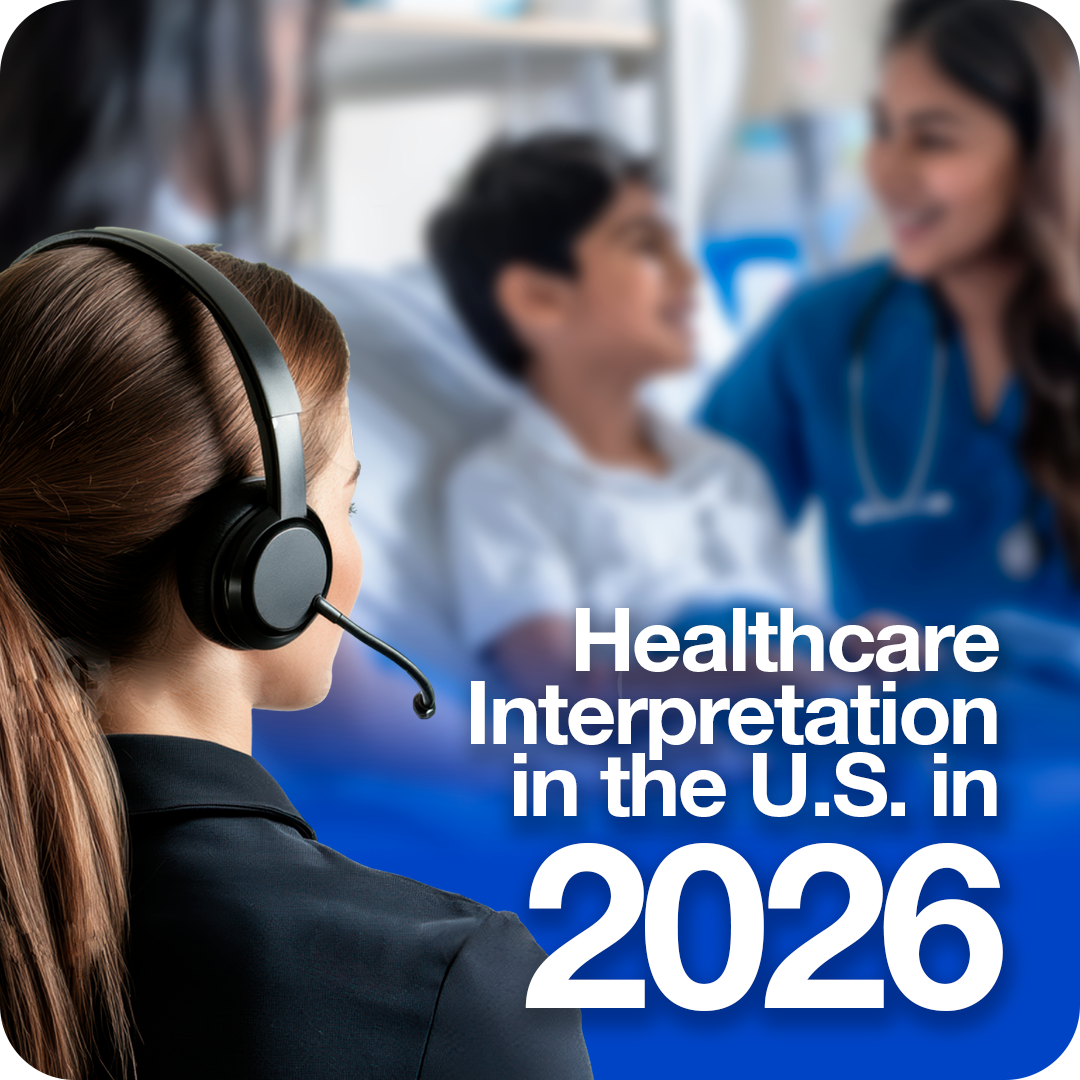
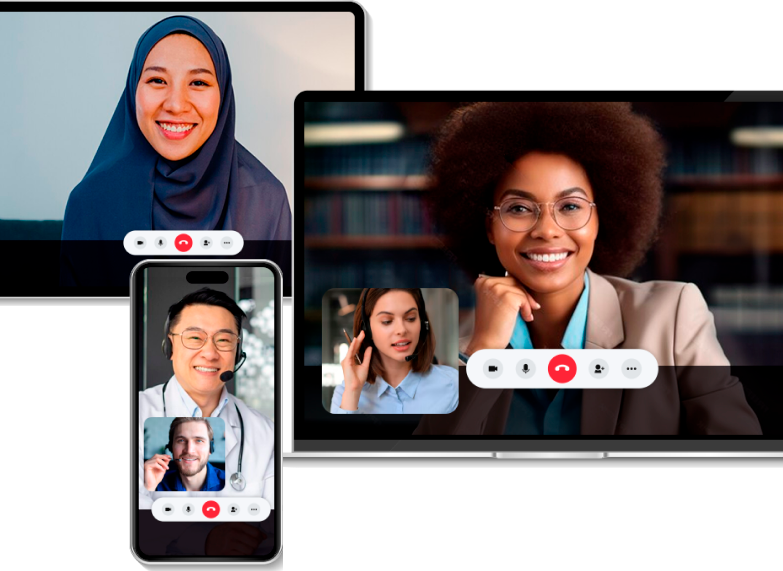
Remote interpretation is no longer a temporary solution: in 2025, it has become an essential tool in conferences, public services, corporate events, and healthcare. Modalities such as Remote Simultaneous Interpretation (RSI) and Remote Consecutive Interpretation (RCI) offer flexibility and real-time access, eliminating the logistical costs associated with on-site work. Its convenience and efficiency have made it a standard practice in sectors such as healthcare, finance, and customer service .
Leading Platforms: Interprefy and KUDO
●Interprefy offers remote simultaneous interpretation, live captioning, and AI-powered translation for multilingual meetings, reducing both costs and environmental impact.
● KUDO connects professional interpreters to virtual, hybrid, or on-site events, integrates with platforms like Zoom or Teams, and provides services in over 200
languages.
These platforms highlight how technology enhances accessibility without replacing human interpreters; instead, they empower them with a global reach.
Artificial Intelligence and Machine Learning: Enhanced Accuracy with Human Oversight
Artificial intelligence (AI) and machine learning are reshaping translation:
● Neural Machine Translation (NMT) now delivers more natural, fluid, and contextual outputs.
● Post-editing (MTPE) enables translators to refine machine-generated texts, ensuring cultural sensitivity and stylistic accuracy.
● AI accelerates processes and supports less common languages.
However, human expertise remains indispensable. Translators are essential for ensuring cultural nuance, ethical use of language, and overall quality. Concerns also persist about unauthorized use of translators’ work to train generative AI models, raising questions of copyright and transparency (El País, 2025b). The combination of linguistic, cultural, and technological skills is increasingly seen as the ideal profile for modern translators (El País, 2025c).
Sector Growth: Globalization, Digital Transformation, and Multilingual Content
Transforming the Work of Language Professionals
The global language services market is expanding: from USD 51 billion in 2023, it is projected to reach USD 71 billion by 2032, growing at an annual rate of 7.7% (Accio, 2025). This growth is fueled by the globalization of companies expanding into international markets, digitalization, the explosion of online content in multiple languages, and sector diversification, with strong demand in healthcare, legal, technology, and education.
Practical Examples
These trends are reshaping professional practice: remote interpreters enjoy greater flexibility and efficiency, free from geographic constraints. Increasingly, companies are adopting AI as a productivity tool, with post-editing ensuring the human touch. While hybrid skill sets-linguistics, culture, and technology becoming the new standard (Meditranslation, 2025)
Practical Examples
Interprefy and KUDO empower interpreters to serve global events while leveraging advanced platforms. Meanwhile, NMT systems generate quick multilingual drafts that translators refine to ensure cultural and linguistic precision.
All of this marks 2025 as a turning point in remote interpretation. It is solidified as a standard; AI and post-editing drive efficiency while preserving cultural nuance; and the growing demand for multilingual content opens unprecedented opportunities.