


Family Members vs. Professional Interpreters: What’s at Stake in Medical Encounters?

Using family members as interpreters may appear caring and supportive on the surface, but it places a heavy emotional burden on people who are already under stress. A daughter trying to interpret for her mother during a serious diagnosis is not only translating words; she is processing shocking information, managing her own fear, and deciding, in real time, what to say and what to soften. That emotional overload can lead to omissions, vague explanations, or even intentional filtering of bad news to protect their loved one. When the person interpreting is also the person suffering, the line between “helping” and “protecting” becomes blurry—and that blurry line can easily affect the accuracy and completeness of the communication.
Accuracy is not the only concern; confidentiality and ethics are also at risk when a family member steps into the interpreter role. Sensitive topics—such as sexual health, mental health, trauma, addiction, or past abuse—can be extremely difficult to discuss in front of relatives, especially in cultures where these subjects carry stigma or shame. Patients may withhold information, change their story, or simply nod in silence to avoid embarrassing conversations. Family members, in turn, might censor or reframe information based on what they consider appropriate to share. In these moments, the clinical team is no longer working with a clear, honest picture, and what seems like a small distortion can become a significant barrier to informed consent and ethical decision-making.
Professional interpreters, like the ones who work with ELS, are trained precisely to navigate these complex situations with neutrality, accuracy, and respect. They understand medical terminology, cultural nuances, and the ethical standards required in healthcare settings. Their role is not to decide what the patient “should” hear or what the provider “should” know, but to facilitate a direct and faithful communication channel between both sides. By maintaining emotional and professional boundaries, interpreters create a safer space where patients are more likely to express their symptoms, fears, and questions honestly, and providers can rely on the information they receive to make sound clinical decisions.
When a patient doesn’t speak the dominant language, it often feels “natural” to turn to whoever is closest: a spouse, an adult child, or a friend who speaks a bit more of the language. In busy clinics and hospitals, this can seem like the quickest solution. But at Elite Language Services (ELS), we see every day how much is truly at stake when language mediation is treated as an improvisation instead of a professional service. The choice between relying on family members or working with trained interpreters is not just about convenience; it is about safety, dignity, and the quality of care.
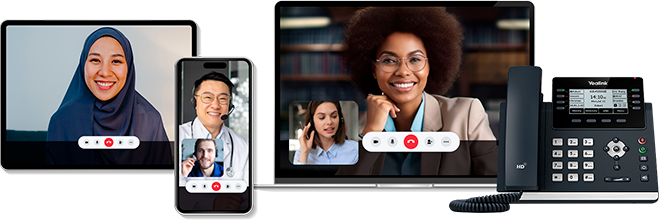
For healthcare organizations, the choice between family members and professional interpreters is ultimately a choice about risk, quality, and equity. Relying on ad hoc interpreters may save a few minutes in the short term, but it increases the chances of misunderstandings, misdiagnoses, and poor adherence to treatment in the long term. By contrast, integrating professional interpreters into the care team—whether on-site, by phone, or via video—supports accurate communication, protects patient privacy, and demonstrates a genuine commitment to dignity and respect for every patient, regardless of the language they speak.