


Burnout, Language Barriers, and Patient Safety: The Hidden Connection in Healthcare
Burnout affects communication—and language barriers increase the pressure. This article explains how professional interpreters support patient safety while reducing stress for healthcare teams.

Burnout is one of the biggest challenges in healthcare today. Many clinicians face high patient volumes, staffing shortages, long shifts, and constant documentation. When providers are exhausted, patient care becomes harder. But one factor often gets overlooked: language barriers. When communication is difficult, stress rises—and patient safety can suffer.
How burnout changes communication
Burnout affects more than mood. It affects how people communicate. When someone is tired or overwhelmed, it becomes harder to listen closely, explain clearly, and confirm understanding. In healthcare, those skills are essential. Even small misunderstandings can lead to the wrong next step. That risk grows when a language barrier is present.
Why language barriers increase cognitive load
Language barriers add extra mental work for clinicians. Providers may repeat themselves, rely on gestures, simplify complex explanations, or try to “piece together” meaning. Sometimes family members are asked to translate. These approaches can create confusion and increase stress for staff who are already stretched thin. Over time, repeated communication struggles can contribute to burnout.
How interpreters reduce stress and improve workflow
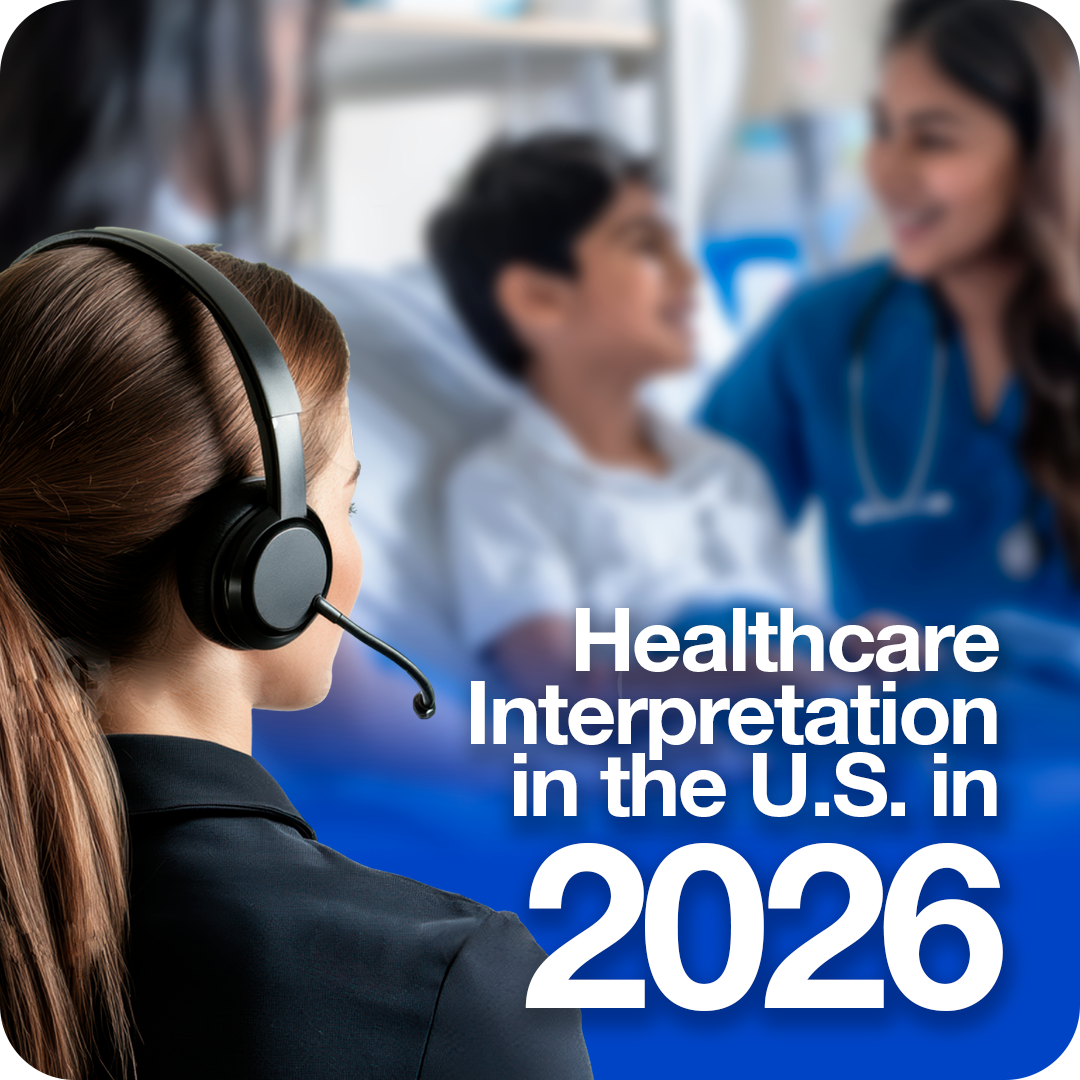
Professional interpreters reduce the communication burden on clinicians. They help the provider focus on medical decisions instead of solving language gaps. They also help visits run more smoothly, with fewer repetitions and clearer exchanges.
Why patient safety depends on clarity
Many high-risk moments rely on accurate communication: symptom details, medication instructions, informed consent, follow-up plans, and discharge directions. When providers are burned out, conversations may become rushed. When language barriers exist, the risk increases again. Interpreters help protect patients by ensuring instructions are understood and questions are answered accurately.
Restoring the human side of care
Burnout can make care feel distant—not because clinicians don’t care, but because they are overwhelmed. Language barriers can deepen that distance. Interpreters help restore connection by enabling natural conversation. When patients feel heard and providers feel understood, the experience becomes less stressful for both.
Some final thoughts...
Burnout, language barriers, and patient safety are connected. Addressing provider burnout is not only about workload—it’s also about removing avoidable barriers to care. Professional interpretation is not an “extra.” It strengthens safety, supports workflow, and makes care more human. At Elite Language Services, we believe clear communication is part of healthcare quality—because when everyone understands, care improves.