


Gen Z Interpretation Experts at the Frontline of Human Language Technology
Discover how Gen Z interpretation experts are shaping the future of information technology, human language, and sign language access inside modern language and technology companies

When people think about “tech talent,” they often picture software engineers and cybersecurity analysts. But in today’s multilingual world, there is another kind of specialist helping companies navigate the digital age: the interpretation expert. A new generation of professionals—largely Gen Z—is entering the field at the intersection of language, culture and information technology, blending deep linguistic skills with a native fluency in digital tools, apps and platforms.
Gen Z has grown up online, surrounded by latest technology news, social media and instant communication. For young interpreters, technology is not a separate world—it is woven into their daily life. They follow developments in human language technology, from speech recognition and automatic captions to AI-based translation and sign language avatars. Instead of seeing these tools as competition, many Gen Z interpreters view them as resources they can use to support their work, expand access and serve more people across languages and modalities.
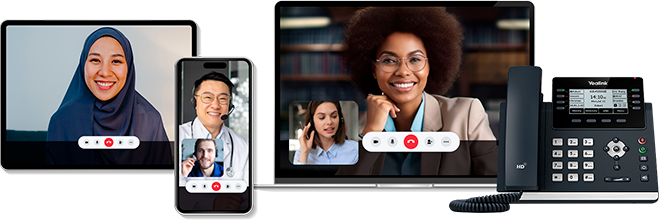
Inside a modern language services or technology company, the role of the interpretation expert is evolving. They are no longer just “on call” to interpret a phone call or a meeting; they help design workflows that integrate remote interpreting platforms, secure video connections, and tools that support both spoken and sign languages. They collaborate with IT teams to make sure information technology systems are interpreter-friendly, from how sessions are scheduled to how audio and video quality are managed. This collaboration between interpreters and technologists is reshaping what language access looks like in business, healthcare, education, and customer support.
A particularly exciting area is the intersection of human language technology and sign language. Gen Z interpreters who specialize in sign languages often work with video platforms, high-resolution cameras and low-latency connections to ensure that Deaf and hard-of-hearing users can participate fully in virtual meetings and services. As companies adopt more video-first tools, these interpreters are crucial in making sure the technology actually works for everyone—not just for people who speak the dominant spoken language. Their feedback also shapes how new products handle visual communication and accessibility features.
For organizations that care about inclusion and global reach, investing in this new generation of interpretation experts is not optional—it is strategic. They bring cultural awareness, digital fluency and up-to-date knowledge of technology trends into every interaction. They understand how to navigate latest technology news without losing sight of what matters most: real people trying to understand each other. When companies pair robust human language technology with skilled interpreters—spoken and sign—they are not choosing between humans and machines. They are building a smarter, more humane language ecosystem where technology amplifies, rather than replaces, the human connection at the center of every conversation.