


Language Access and Health Equity: How Interpreters Support Fair Care for LEP Patients
Health equity means that everyone has a fair opportunity to achieve optimal health, regardless of their background, income, or language. In reality, patients with limited English proficiency (LEP patients) often face extra obstacles at every step of the healthcare journey. They may struggle to schedule appointments, describe symptoms, understand diagnoses, or follow treatment plans. Without strong language access in healthcare, these patients are at higher risk for delayed care, misdiagnosis, and poorer outcomes. Medical interpreters play a key role in closing that equity gap.

Language barriers are often invisible in data. A clinic may see lower engagement or higher no-show rates among certain communities, but the numbers alone don’t show how language is playing a role. When patients cannot express their concerns clearly, they may receive shorter visits, incomplete explanations or fewer options. They might leave without fully understanding what was decided, but feel too embarrassed to admit it. Over time, these small breakdowns accumulate into bigger disparities: more complications, more emergency visits and less trust in the healthcare system.
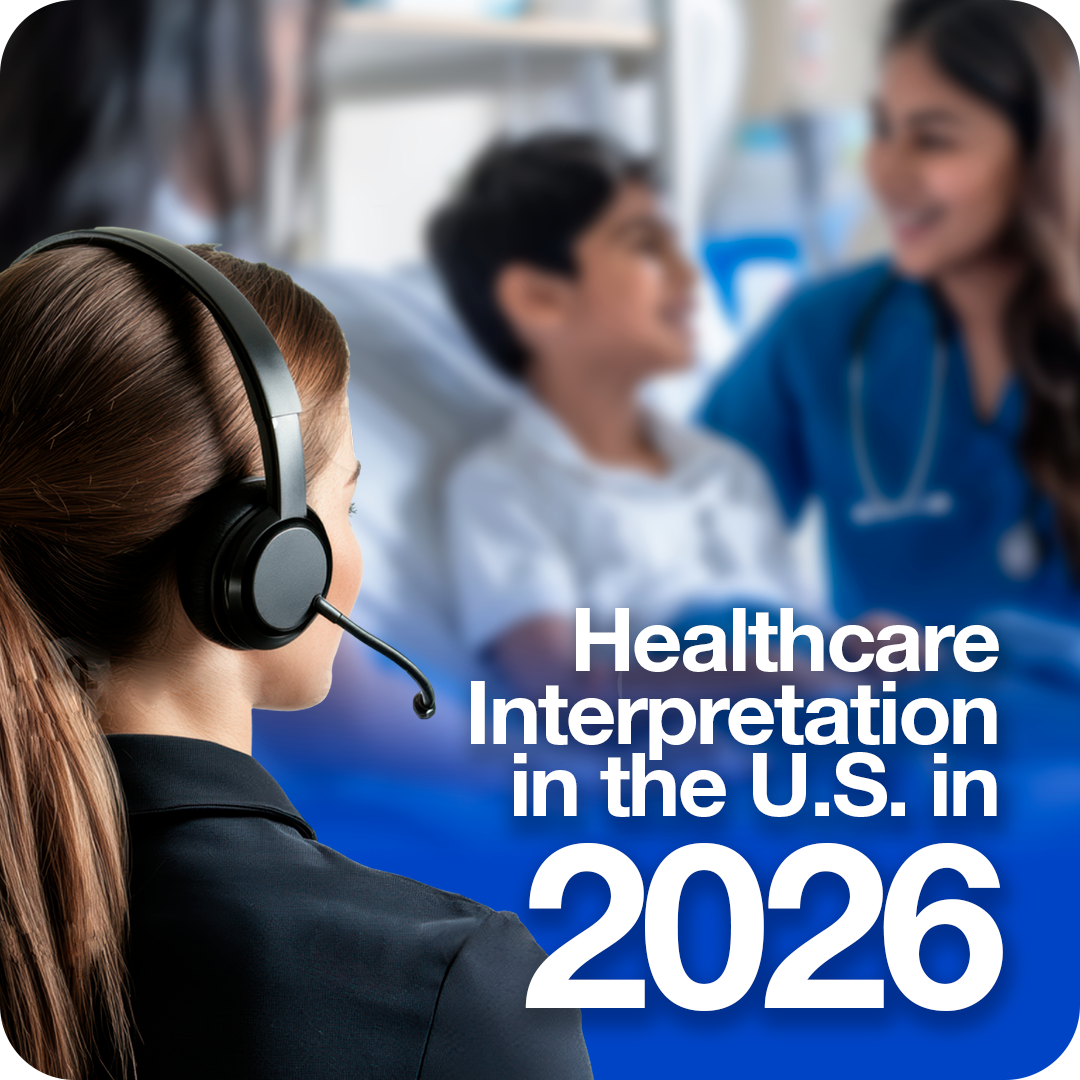
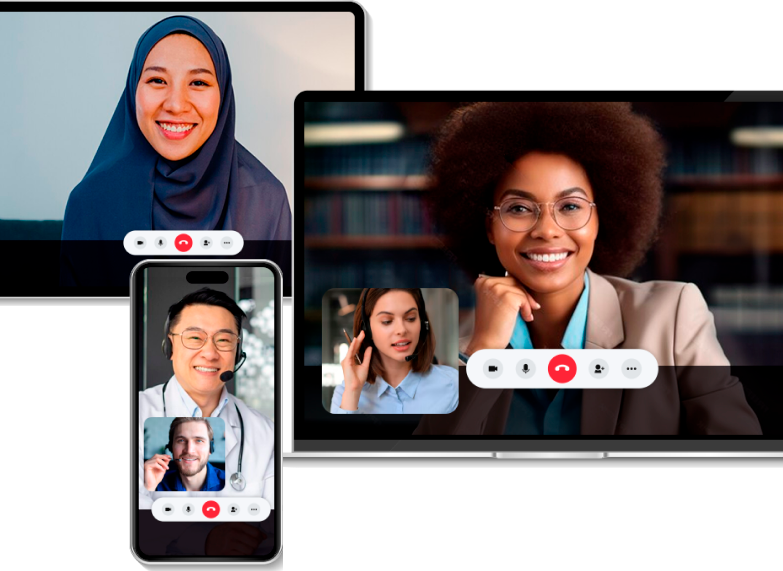
Professional medical interpreters help level the playing field by enabling LEP patients to participate in their care on equal terms. With an interpreter present—whether on-site or via remote interpreting—patients can explain their history in detail, ask follow-up questions and clarify what matters most to them. Providers, in turn, can gather a more accurate picture of the patient’s condition and tailor recommendations in a way that fits both medically and culturally. Instead of passive recipients of care, LEP patients become active partners in decision-making.
Language access also affects how welcome and respected patients feel. When interpreter services are easy to request and clearly offered, patients receive a powerful signal: “You belong here, and we are ready to communicate with you.” This sense of respect can increase trust and long-term engagement with preventive care, chronic disease management and mental health support. For health systems committed to reducing disparities, integrating interpreter services into equity strategies is not optional—it is fundamental.
For healthcare organizations, viewing interpreters through a health equity lens changes the conversation. It is no longer just about compliance with regulations; it is about aligning language access with broader goals around quality, safety and community impact. By tracking outcomes for LEP patients, investing in professional healthcare interpreter services and including language access in equity plans, organizations can move from treating language as a barrier to recognizing it as a dimension of justice. In that shift, interpreters become not just “helpers,” but partners in building fairer care for all.