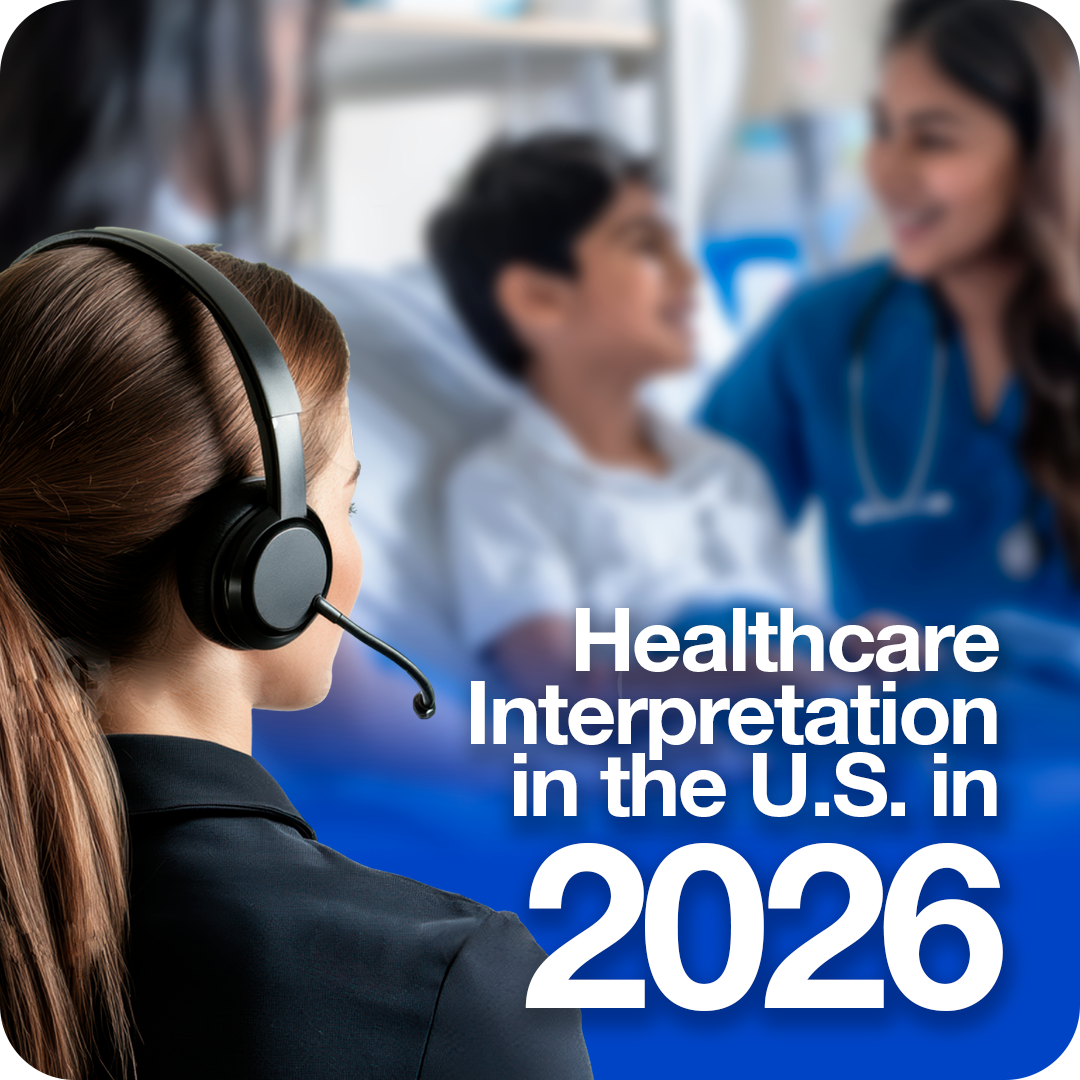



Telehealth in 2026: How Providers Can Ensure Language Access in Virtual Care
Telehealth is here to stay—but language barriers can still limit care. Here’s how providers can build language access into virtual visits to improve clarity, safety, and patient outcomes.

Telehealth is no longer a temporary solution. It is now a permanent part of healthcare. Virtual visits help patients save time, reduce travel, and access care more easily. However, as telehealth becomes routine, one critical issue often remains overlooked: language access. When patients and providers do not share the same language, virtual care can quickly lead to confusion, missed details, and safety risks. That is why language access must be built into telehealth from the start.
Why language access matters more in telehealth
In virtual care, communication is everything. Unlike in-person visits, telehealth relies almost entirely on spoken language. There are fewer visual cues, fewer opportunities for clarification, and often limited time. When language barriers exist, these limitations become even more serious. Professional interpreters help ensure telehealth visits remain meaningful, accurate, and safe.
Build language access into scheduling and intake
Language access works best when it is planned ahead of time. Identifying a patient’s preferred language during scheduling or intake allows the care team to arrange interpretation before the appointment begins. This preparation prevents delays and reduces stress for everyone involved. Treating interpreters as part of the care plan—not a last-minute solution—creates a smoother workflow.
Use interpreter-friendly communication habits
During the telehealth visit, communication style matters. Providers should speak directly to the patient, use short and clear sentences, and pause often to allow interpretation. These small adjustments improve accuracy and help patients stay engaged. A steady pace reduces interruptions and prevents overlapping speech, which is especially important online.
Choose the right platform and plan for tech issues
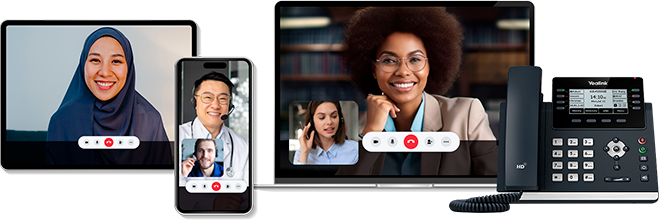
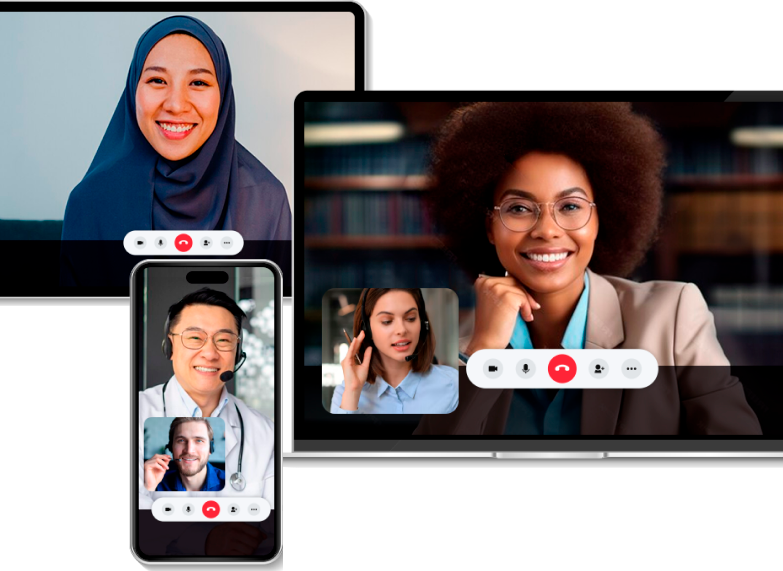
Technology plays a big role in successful interpreted visits. Platforms should allow interpreters to join easily and support clear audio and video. Poor sound quality or dropped connections can cause misunderstandings. Having a backup plan—like switching to audio-only—helps maintain continuity of care. The goal is not perfect technology, but consistent understanding.
Protect privacy and patient safety
Clinical topics like diagnoses, medications, mental health, or informed consent require professional interpretation. Relying on family members or untrained staff can lead to errors or incomplete information. Qualified interpreters help protect privacy, reduce risk, and support informed decision-making—especially in telehealth settings.
Extend language access across the care team
Telehealth now includes nurses, care coordinators, pharmacists, and nutritionists. These education and follow-up interactions are critical for patients managing chronic conditions. When language access is consistent across the care team, patients are more likely to understand instructions and follow treatment plans. Clear communication builds trust, and trust supports better outcomes.
AI tools can support—but not replace—clinical communication
AI may help with certain workflows, such as intake forms or scheduling. But clinical conversations still require human judgment, cultural awareness, and emotional understanding. Professional interpreters remain essential for high-stakes care.
In the end...
Telehealth in 2026 is not just about access to technology—it is about access to understanding. If patients cannot fully understand their care, then care has not truly been delivered. Language access makes telehealth safer, more inclusive, and more effective. At Elite Language Services, we help healthcare teams integrate professional interpreters into virtual care so communication stays clear and patient-centered—no matter the language.